Velkomin / Welcome 👋
Síðan er á ensku en hægt er að lesa aðeins um Skuggsjá hér / We work on experiments probing the early universe, the nature of dark matter, and the birth of the first stars. From here you can take a quick tour of our efforts, read about our projects, or get in touch.
Optics and Telescopes
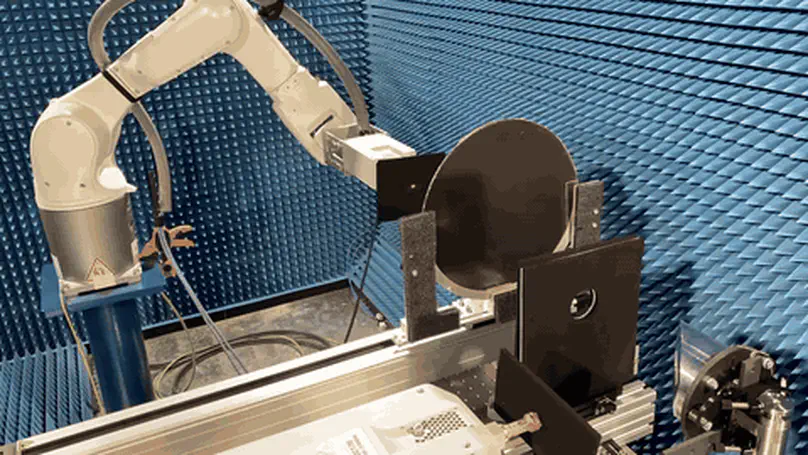
A key aspect of our research at the University of Iceland and Stockholm University focuses on optics design, characterization, and technology development for telescopes operating at millimetre wavelengths and the development of novel metamaterial resonators.
Funding Acknowledgment
Our group efforts are funded by the European Research Council, the Icelandic Research Fund, the Icelandic Infrastructure Fund, and the Knut and Alice Wallenberg Foundation. We are truly thankful for this support!

Latest News
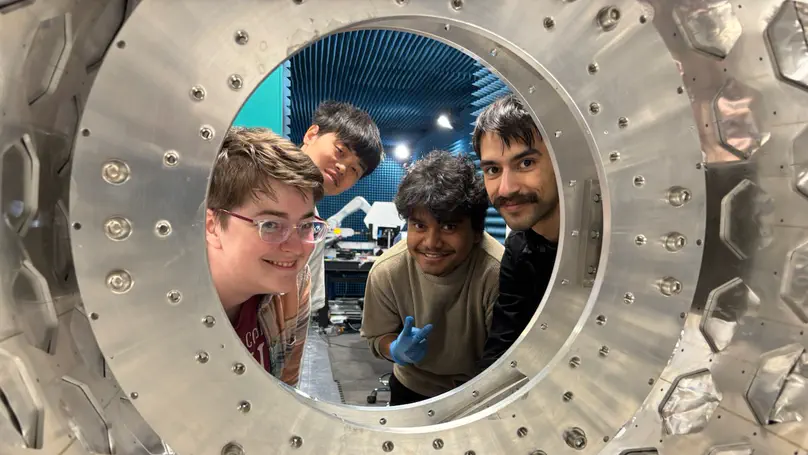
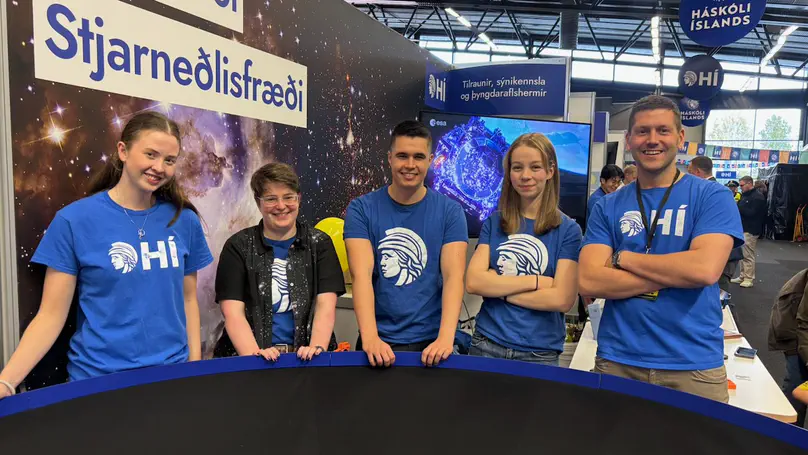
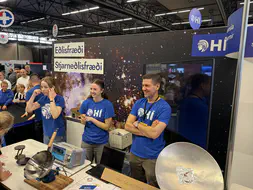
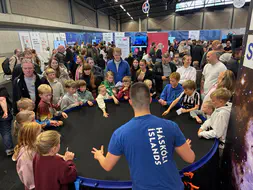
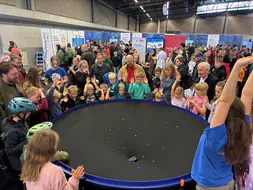
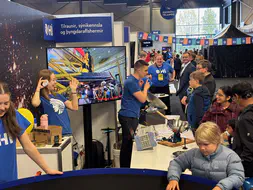
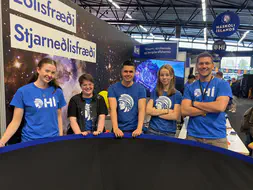
As usual, members of the CMBeam team participated in the European Science Night. Here in Iceland this is called Vísindavaka. As before, our booth was equipped with our 2.4-m gravity simulator which is always a big hit. We find that the most effective demonstration by far involves splitting the kids into two groups and then asking the groups to toss marbles into opposite directions. We subsequently get a lot of collisions and marbles falling into the center of the gravity well. The marbles that survive are typically all rotating in the same direction, just like the planets in our solar system :)
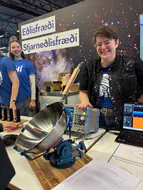
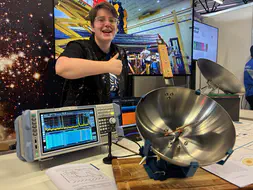
This time we also presented a 21-cm radio antenna based on a wok frying pan from IKEA! In theory, this antenna could be used to determine the rotation speed of the Galaxy through Doppler-shifted emission lines from neutral hydrogen in the plane of our Galaxy. The idea is based on a famous paper posted on the arXiv a few years ago. A BSc student here at the University of Iceland was able to reproduce this experiment and successfully measure the rotation speed of the Galaxy. Miranda and I spent too much time perfecting the 3D printed mounting structure for the wok pan, but it was totally worth it in the end.
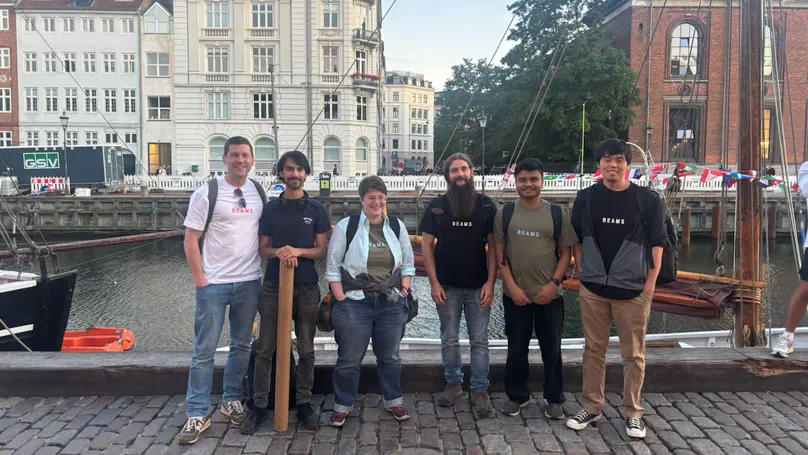
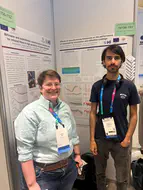
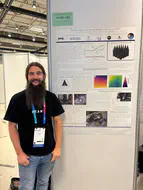
Six lab members attended SPIE Astronomical Telescope and Instrumentation that took place in Copenhagen in early July. Our group members presented six posters at the conference.
Gallery
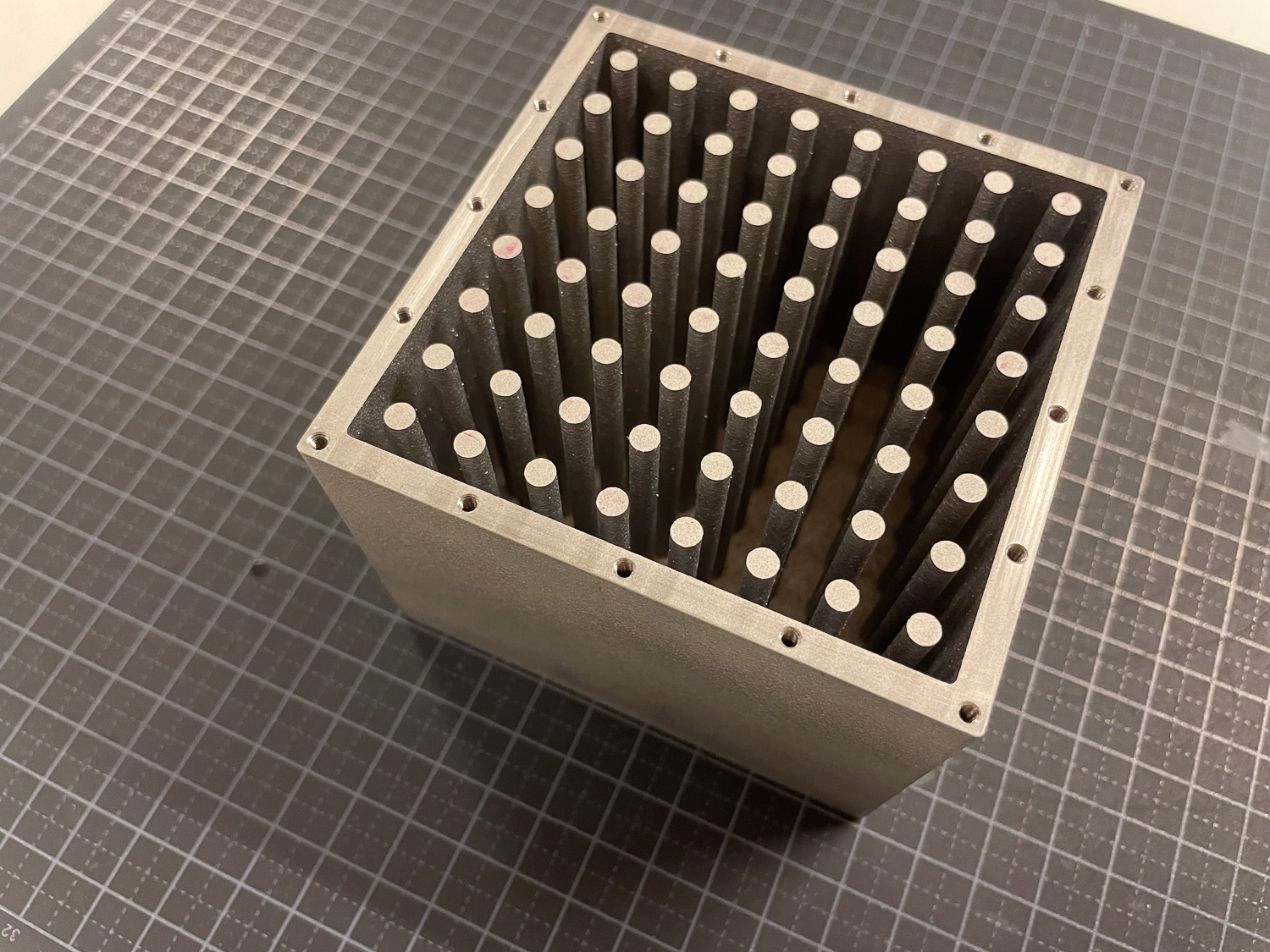
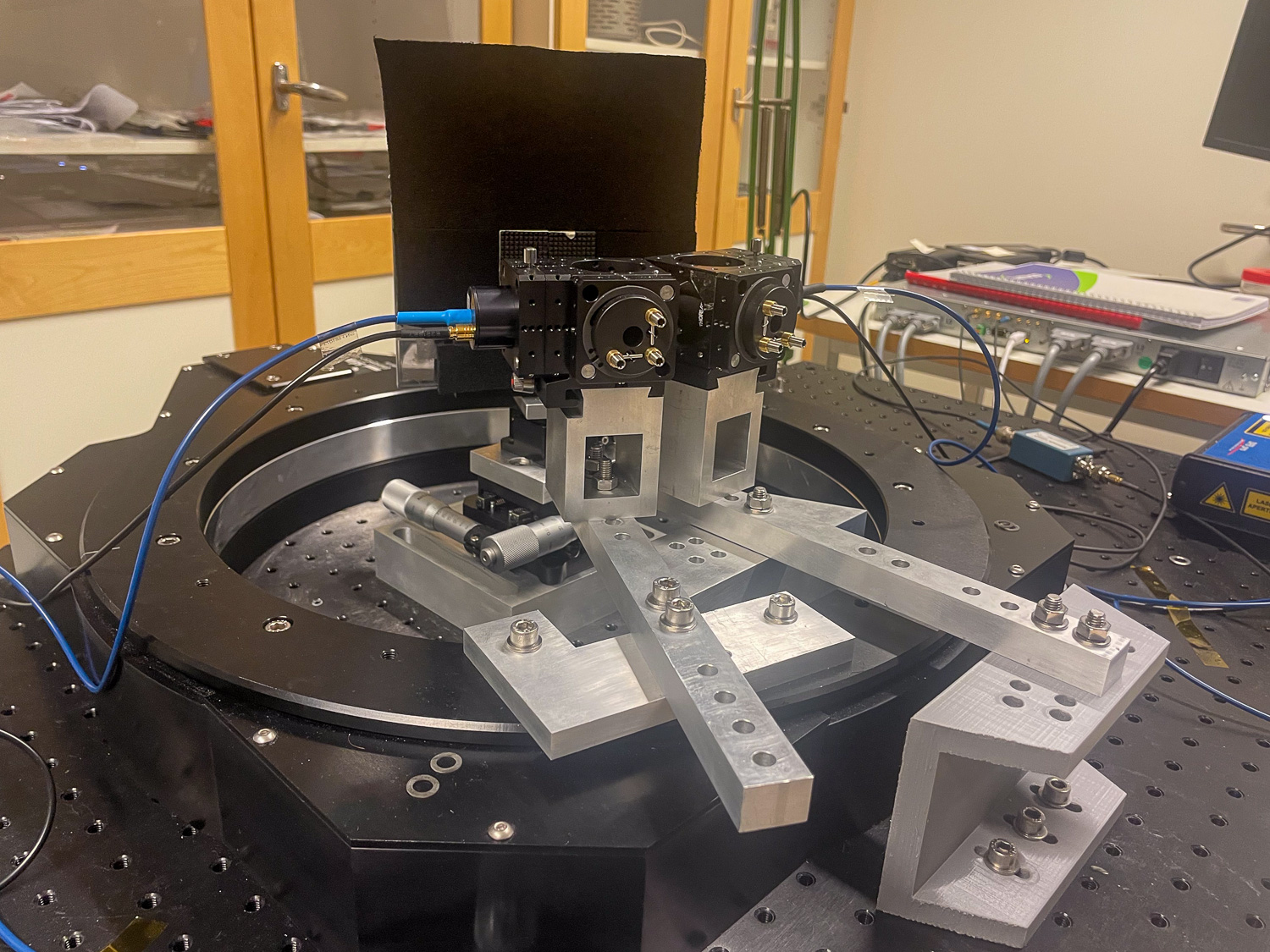
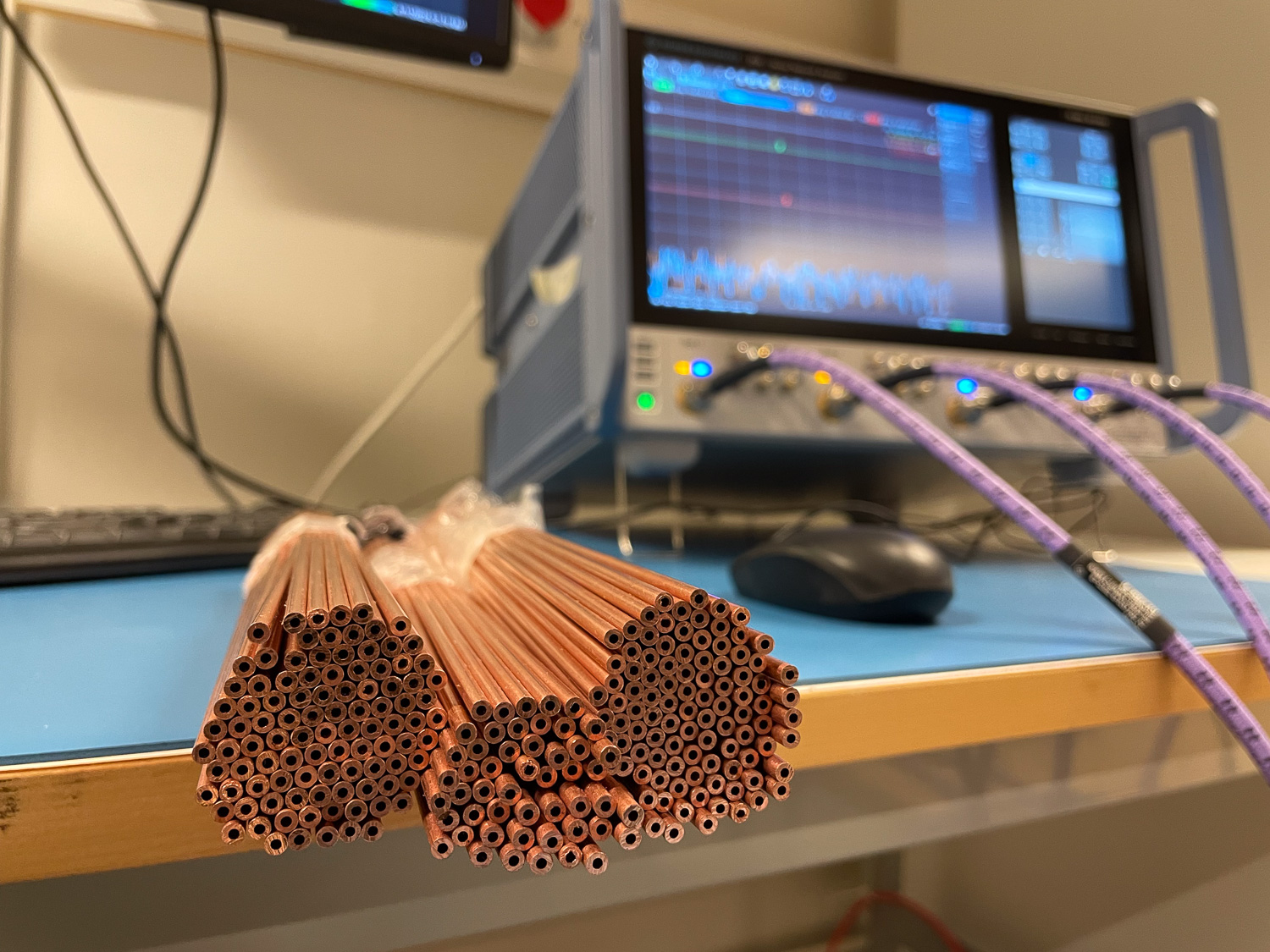
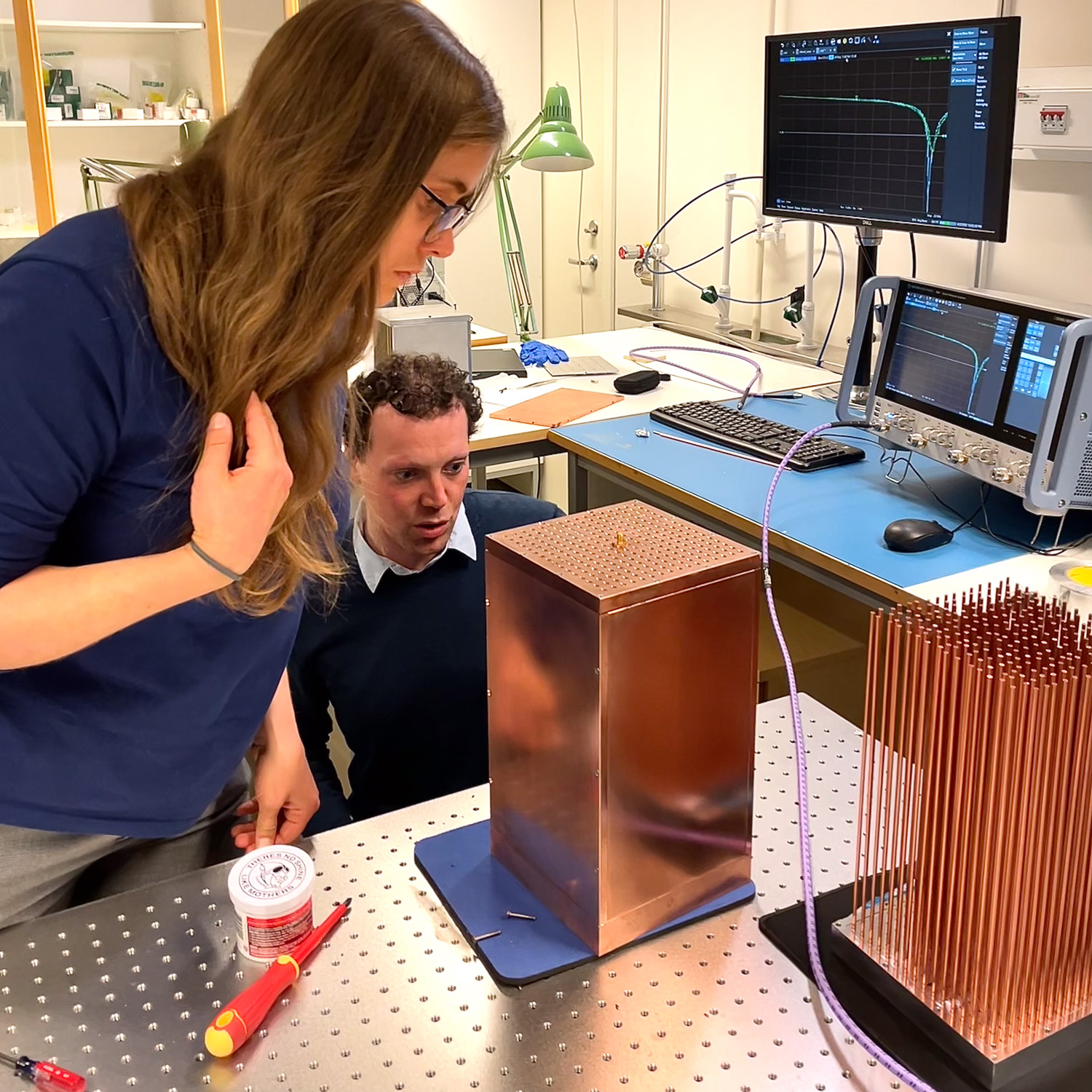
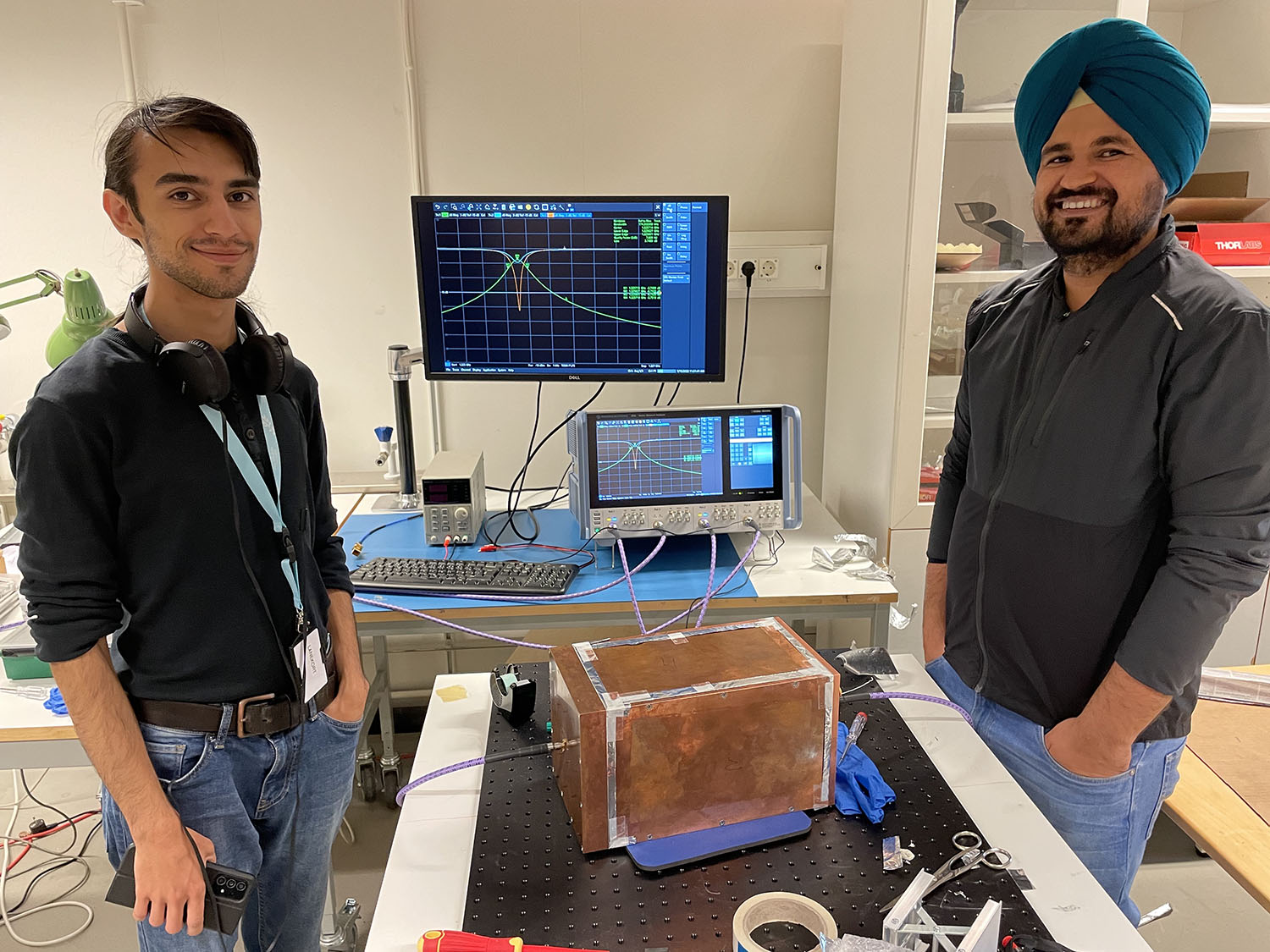
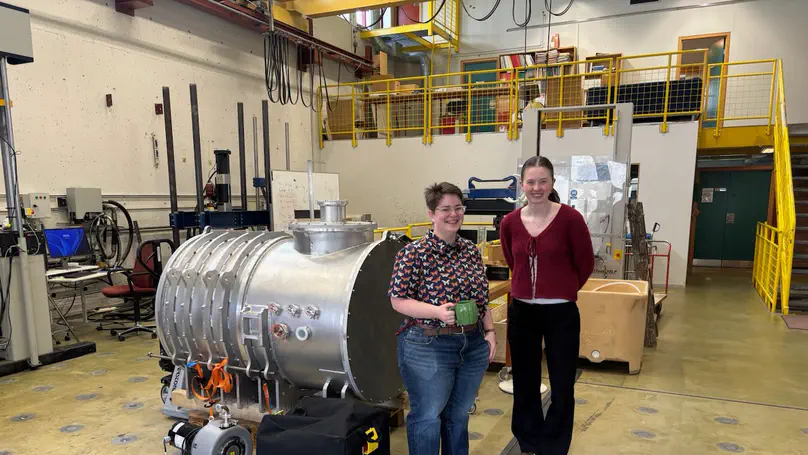
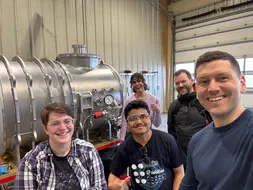
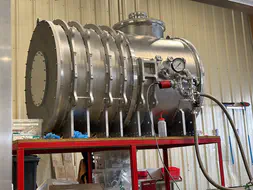
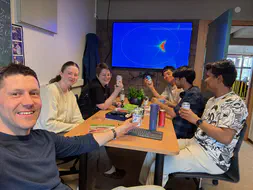
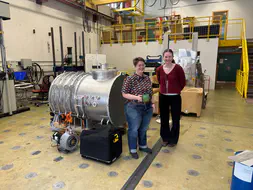
A collection of photos from our group’s activities over the last few years.